

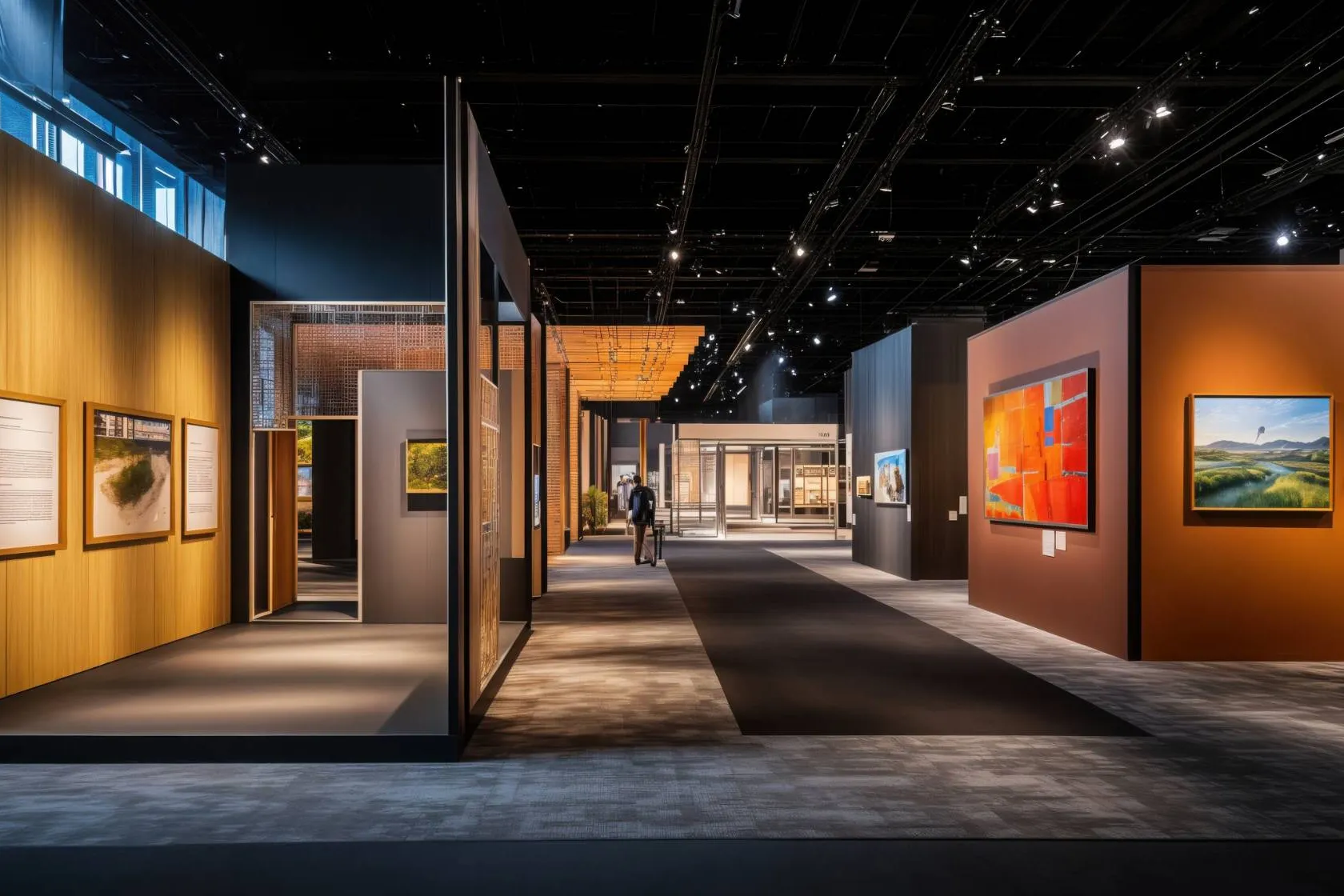
The uncertainties and grey clouds that appeared at the beginning of the year on the art and collectible markets, following the slowdown recorded in 2024, were dispelled by the successes of fairs and auctions that animated the last quarter of 2025, with over two billion dollars in sales during the traditional New York auction week in mid-November.
This result was not driven by a significant drop in prices, but by the intermediaries’ renewed focus on the quality of works entering the market.
This shift progressively drained the short-term speculative segment, favouring a more sustainable long-term vision.
Key Results of the Year
The arrival on the market of high-quality works from major collections pushed buyers to compete for them, leading to multiple record prices—particularly for early 20th-century and Surrealist works. Highlights included Gustav Klimt’s monumental female portrait, sold for over USD 230 million, the second-highest price ever achieved, and record valuations for dreamlike works by Leonor Fini, Frida Kahlo, Dorothea Tanning, Magritte, Dalí, as well as lesser-known Surrealists such as Hans Bellmer and Wolfgang Paalen.
Post-war Italian art also confirmed stable prices in a well-established international market, especially for Lucio Fontana, Alighiero Boetti, and Giorgio Morandi. Meanwhile, contemporary art continued to attract an audience in search of new languages across fairs such as Frieze London, ArtBasel Paris, and Artissima Torino.
The classic car market recorded renewed success as well, particularly during the mid-summer California auctions, driven by two complementary trends: the historic coachbuilt models that shaped racing and the market of the 1950s–1970s—creations by Pininfarina, Touring, and Vignale for Ferrari, Alfa Romeo, and Maserati—and the HyperCars of the new millennium, increasingly sought after by younger generations, including special editions from Ferrari, Porsche, Bugatti, and especially Pagani.
A significant contribution also came from the growing participation of Middle Eastern and Asian collectors, a positive indicator for future developments.
Looking Ahead
The climate of political uncertainty and the resurgence of inflation could paradoxically favour certain segments of the passion-asset markets, given their counter-cyclical nature as safe-haven assets.
Added to this is the expected intergenerational wealth transfer—estimated at nearly USD 100 trillion over the next decade. This shift, already underway, if well managed, may maximise returns while creating opportunities to acquire works and collections unseen on the market for decades.
The 2026 calendar is already dense and internationally representative: the year begins with fairs in Brussels and Geneva in January, followed by the new ArtBasel in Doha competing with Mexico City, Bologna, and Cape Town, then the prestigious appointments of TEFAF Maastricht and ArtBasel Hong Kong in March.
Beyond the market, 2026 is a Biennale year: Venice in May and Florence in September are among the most anticipated events.
For classic cars, excitement is building for Rétromobile in Paris at the end of January and its major auctions, followed by The ICE in St. Moritz, a spectacular dynamic gathering on ice, and the biennial Monte-Carlo Grand Prix Historique with its dedicated sales.
A year full of opportunities to find — or sell — the object of one’s desire.